

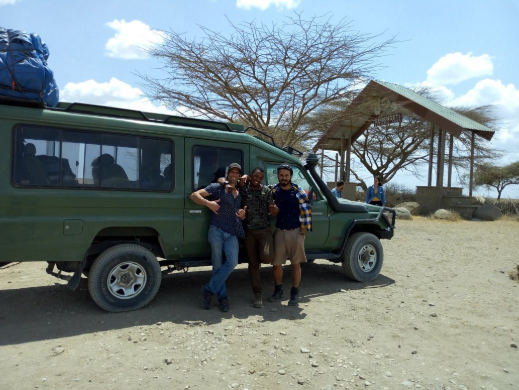
Most travellers planning a Tanzania Safari focus on lions, sunsets, and the feeling of driving across vast open plains. Very few stop to think about how the vehicle arrived at the park, how the camp received fresh food that morning, or how the guide knew exactly when to pick them up at the airport.
Long before a guest lands in Tanzania, teams are already at work. Vehicles are checked, fuel is ordered, roads are assessed, park regulations are reviewed, and staff are scheduled around animal movements and guest arrivals. The goal is simple, but not easy: a Safari In Tanzania that feels smooth, relaxed, and natural.
This blog opens that hidden door. It explains what happens in the background so travelers can understand why some Tanzania Safari Tours feel effortless. It also shows why choosing specialists like Best Day Safaris matters when comfort, safety, and timing are essential.
How Safari Companies Coordinate Vehicles, Guides, and Camp Materials
Behind every quiet morning game drive, there is a long chain of planning. A vehicle does not simply appear at the lodge gate. Someone has checked it, refueled it, and assigned a specific guide and route based on the day’s plan.
Before a Tanzania Safari Tour begins, operations teams usually:
- Match guides to guests based on language, interests, and experience level
- Check every vehicle for brakes, tyres, radios, and seatbelts
- Confirm park entry fees and permits are correctly prepared
- Plan daily routes that respect park rules and wildlife areas
Camp materials also move on their own silent schedule. Linen, cleaning supplies, fresh food, spare parts, and sometimes even drinking water are ordered days or weeks ahead. When a guest arrives at a remote tented camp and finds cold drinks, clean beds, and a working shower, those comforts are the final step of a carefully arranged supply line.
This coordination becomes even more complex during busy months, when several Tanzania Safari Tours are running at the same time, involving many different destinations. Vehicles may drop one group at an airstrip, then race daylight to collect another group in a different park, all without the guest ever feeling rushed.
How Camps Manage Fuel, Water, and Electricity
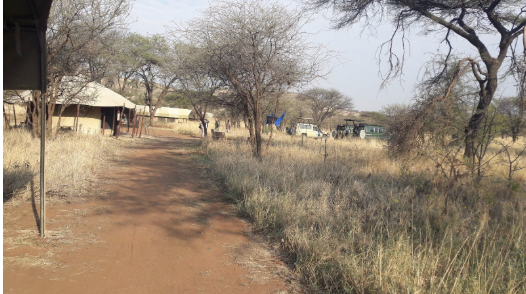
Remote camps look peaceful, but they are mini villages that must manage essential resources carefully. Most are far from any public power line. Every drop of fuel and every litre of water is planned.
Fuel is usually used for:
- Running generators that provide electricity in the evenings
- Powering fridges and freezers that keep food safe
- Supporting transfer boats or extra service vehicles in certain areas
Water management is just as important. Camps draw water from boreholes, springs, or delivered supplies. That water must be:
- Filtered or treated for safe use
- Shared between guest tents, kitchens, and staff quarters
- Protected so it does not run out in the middle of a busy stay
Electricity is often supplied in limited time windows. Guests see convenient charging points and soft lights, but camp managers see a careful balance between comfort and fuel conservation. Many properties now use a mix of solar power and generator backup to reduce noise and fuel use, while still keeping the Tanzania Safari Experience comfortable.
The Logistics Behind Relocating Mobile Camps
Mobile camps move with the wildlife. When herds shift across Serengeti National Park, an entire camp may be taken down, moved, and rebuilt in a new location. This is one of the most demanding tasks in safari logistics.
A typical move can involve:
- Dozens of staff are packing canvas, beds, kitchens, and bathroom units
- Heavy trucks transporting equipment along rough park tracks
- Advance teams arriving early to set up basic structures and check safety
- Careful compliance with park rules to avoid damage to vegetation and soil
Guests often arrive to find a camp that looks permanent, with lanterns, dining tents, and hot showers ready. In reality, the entire structure may have been standing for only a few days. The promise of the Best Safari Tours in Tanzania often depends on this ability to follow seasonal animal movements without sacrificing comfort.
How Supply Trucks Move Through Remote Parks
While guests travel in comfortable game viewing vehicles, less glamorous trucks are making their way through the same parks with food, fuel, and spare parts. These supply runs rarely appear on social media, but they keep Tanzania Safaris functioning.
Supply routes must account for:
- Road conditions after rain
- Weight limits on bridges and small crossings
- Park gate opening and closing times
- Restrictions on night driving and sensitive wildlife zones
Drivers often leave very early in the morning, long before guests have their first coffee. They may travel many hours to reach a remote camp, unload everything from fresh vegetables to new tyres, then return to town on the same day. A delay on this route can affect menus, fuel supplies, and even the ability to move guests on time between Tanzania Safari Destinations.
Because of this, reliable safari companies build extra time into their schedules and keep a buffer of key supplies at camp. When everything goes well, guests simply enjoy good meals and cold drinks without ever thinking of the journey each item made.
The Complexity of Planning Seamless Guest Experiences
From the outside, a Tanzania Safari Tour can look very simple. Airport collection, hotel, park visits, and then a return flight. The smooth feeling hides a mountain of moving parts.
Operations teams often plan around:
- Flight arrival and departure changes
- Seasonal variations in the Best Time To Visit Tanzania
- Different park regulations and fees
- Guest health needs and dietary restrictions
- Communication with guides in areas where signal is limited
For example, a single day might involve:
- Confirming a morning airport pick up for new guests
- Planning a surprise bush breakfast for another group already in the park
- Coordinating a luggage transfer between two lodges
- Checking road reports to avoid flooded sections after overnight rain
Companies that specialise in private Tanzania Safari Tours, like Best Day Safaris, add another layer. They build in flexibility so that guides can extend a sighting, adjust timing for tired children, or adapt the plan when animals appear in unexpected places, all while staying within the limits of park rules and safety.
The Quiet Backbone of a Tanzania Safari
When travelers think about Tanzania Safaris Tours, they picture lions on the road, elephants near the river, and the endless light of the savanna. They rarely picture mechanics, storekeepers, drivers, managers, and planners who make sure every day runs safely and smoothly.
Understanding this hidden work adds a new layer of respect to the experience. The comfortable vehicle, the hot shower after a long day, the reliable wakeup call before sunrise, and the feeling that everything is under control are not random blessings. They are the visible surface of a large, coordinated effort.
While guests are still deciding on dates and lodges, teams are planning routes, scheduling staff, checking supplies, and preparing for the moment the first guest steps out of the airport and into the adventure they have been imagining for years.
